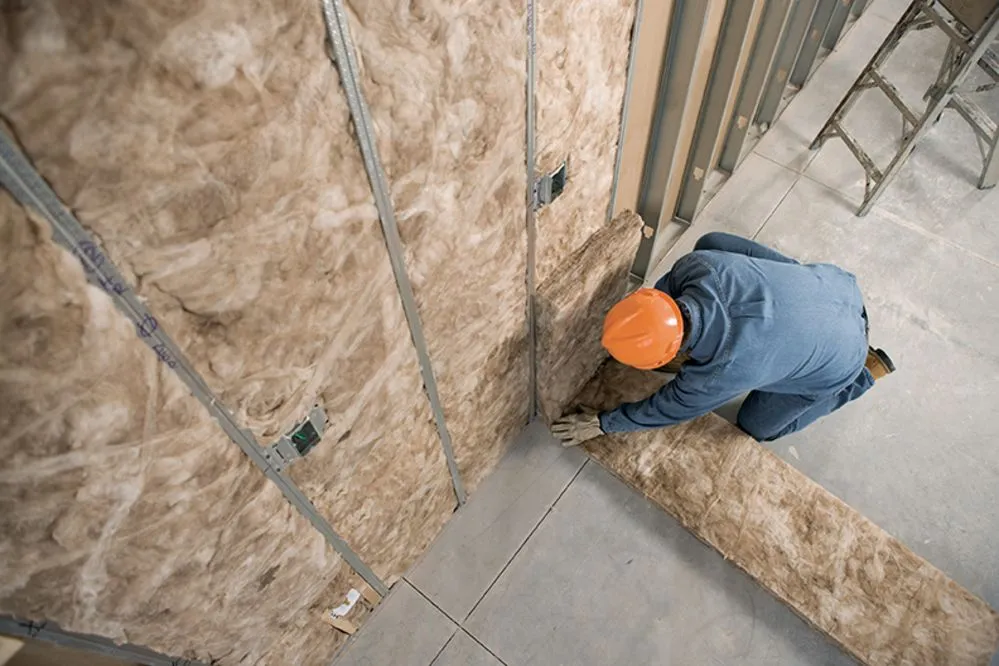
You have probably seen a thick ridge of ice along the edge of a roof. That is an ice dam. They look like a roofing problem, and plenty of people call a roofer first. But an ice dam almost never starts on the roof. It starts in the attic. Connecticut winters give us the exact conditions ice dams need. Snow sits on the roof, the attic underneath is warmer than it should be, and the cycle begins. Left alone, the ice backs water up under the shingles and into the walls and ceilings below. That is when a cosmetic annoyance turns into a repair bill. The fix is not a bigger roof rake or another run of heat cable. It is stopping the heat that gets into your attic in the first place. Here is how ice dams form and why insulation and air sealing are the real solution. Here is also what to do before the next storm.
01 How an Ice Dam Forms on Your Roof
The process is simple once you see it. Heat escapes from the living space into the attic and warms the underside of the roof deck. Snow sitting on the warm section melts, even when it is well below freezing outside. That meltwater runs down the roof until it reaches the eave. The eave hangs past the heated part of the house and stays cold. There the water refreezes. Repeat that for a few days and the ice builds into a ridge. Now the next round of meltwater has nowhere to go. It pools behind the dam and works its way under the shingles.
02 Why Attic Heat Is the Real Cause
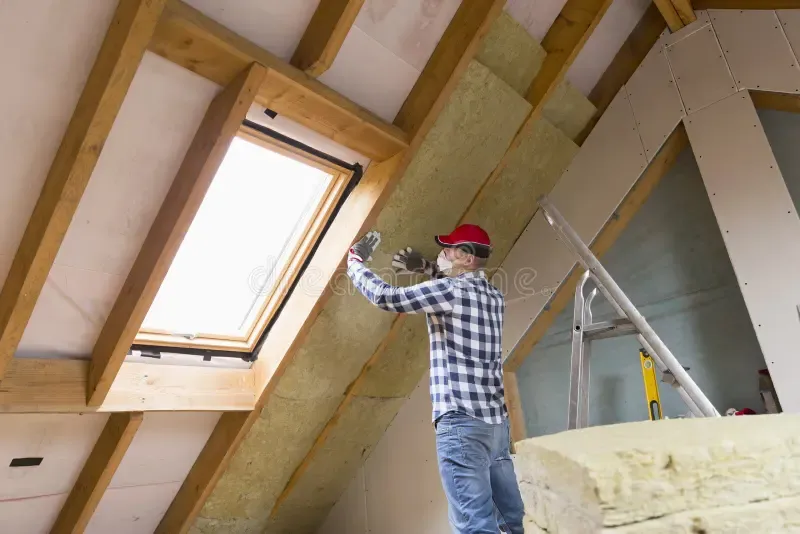
A cold roof does not form ice dams. That is the whole principle. If the attic stays close to the outdoor temperature, the snow on top melts evenly from sunlight and slides off. Attic heat comes from two places. Air leaks up through the ceiling, and heat conducts through thin insulation. Recessed lights, the attic hatch, and uninsulated ductwork are all usual suspects. So are bath fans venting into the attic instead of outside. Blocked soffit vents make it worse by trapping whatever heat does get up there. Every one of those is fixable, and none of them involve touching the roof.
Warning Sign
If you notice melted streaks in the snow on your roof while the rest stays white — that's exactly where heat is leaking out of your attic.
03 Roof Rakes and Heat Cables Are Not a Fix
Both have their place in an emergency. If ice is already forming and water is coming in, act fast. Pulling snow off the lower few feet of roof buys you time. Heat cables can keep a channel open so water drains instead of pooling. But neither one addresses why the snow is melting. Heat cables also run on your electric bill all winter, and they wear out. Think of them as a bandage. They are worth having if you are mid storm with a leak. They are a poor plan for the next ten winters. The permanent fix is upstream, in the attic.
04 Sealing and Insulating the Attic
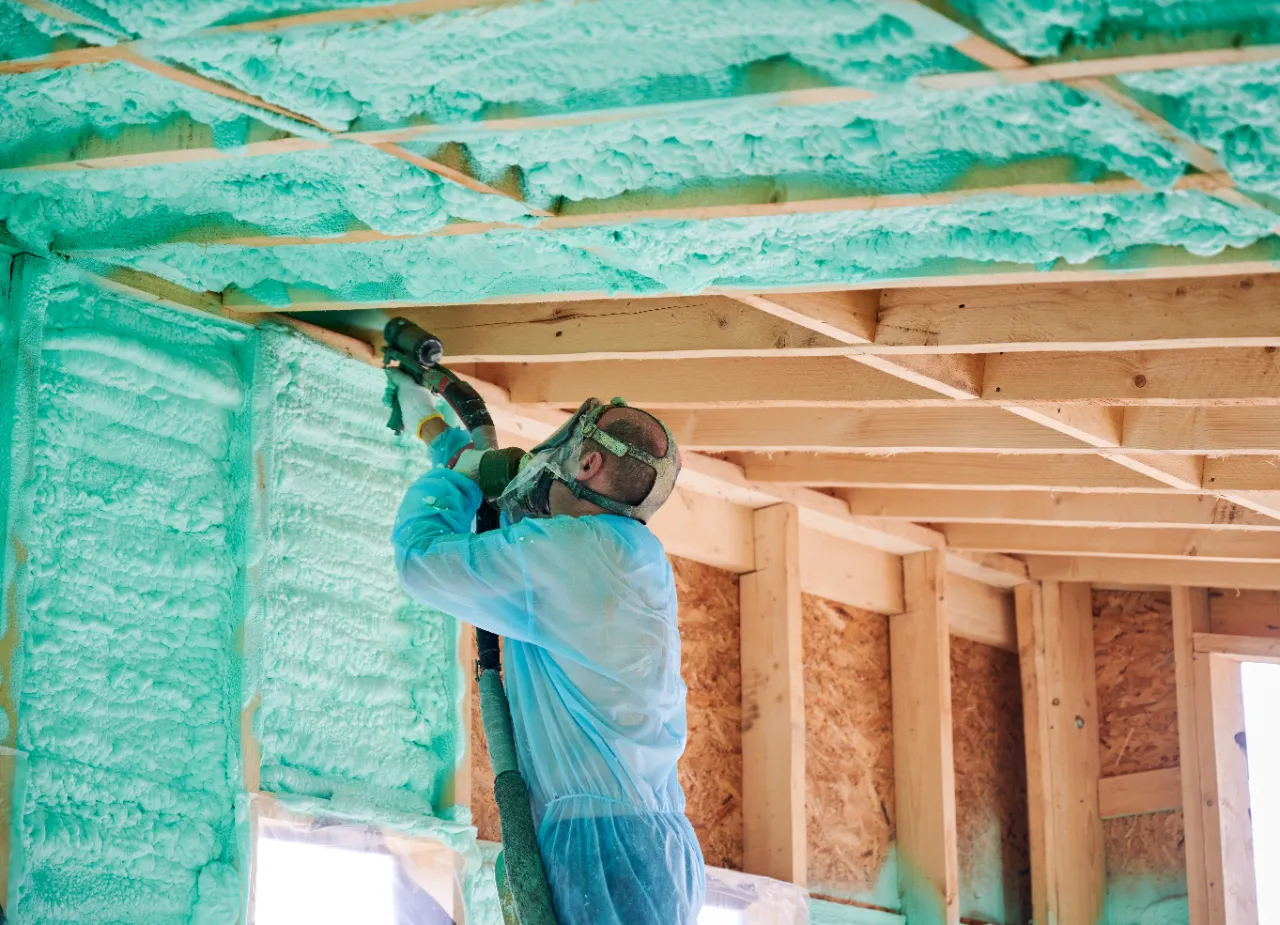
The work happens in a specific order. First we find and seal the air leaks in the ceiling plane. That is where most of the heat is going. Then we check the ventilation and install baffles so the soffit vents stay open. That lets cold air wash the underside of the deck. Last, insulation goes in to the target depth. That is either blown-in loose fill on the attic floor. If the attic is finished, spray foam goes on the deck. Done in that order, the attic runs cold and the snow stops melting from below. The dam has nothing to feed it.
Frequently Asked Questions
Not usually. A roof in good shape can still get ice dams if the attic below it is warm. The shingles are the victim here, not the cause.
Insulation is most of it, but air sealing has to come with it. Sealing the leaks and then insulating is what keeps the attic cold enough to break the cycle.
Attic work can be done in winter. Air sealing and blown-in insulation both go in year round. If water is actively coming in, deal with the leak first, then book the attic work.
Ventilation helps, but only after the leaks are sealed. Adding vents while warm air is still pouring into the attic just moves the problem around.
Frost patterns on the underside of the roof deck and melted streaks in the snow both point to leak locations. We look for those during the inspection.