If your bedroom is freezing while the living room downstairs feels fine, you're not imagining it. A cold upstairs in winter is one of the most common complaints we hear in Connecticut homes. It usually has nothing to do with the furnace. The heating system is doing its job. The problem is that the heat isn't staying where you put it. Warm air rises. In a house with a thin or leaky attic, that warm air keeps going. It moves straight through the ceiling and out the roof. The furnace runs longer, the second floor never catches up, and the bill climbs every month. The good news is that this is fixable, and it costs less than most people expect. Most of it comes down to the attic. This article covers why your upstairs is cold in winter. It also shows how to check the attic yourself, and what a real fix involves.
01 Heat Rises, and a Weak Attic Lets It Go
Every heated house works like a chimney in winter. Warm air moves up, finds the gaps in your ceiling, and escapes into the attic. Recessed lights, the attic hatch, plumbing chases, and the top plates of interior walls are all common exit points. Once that air is gone, cold air gets pulled in low to replace it. That's why the upstairs feels cold and the basement feels drafty at the same time. Insulation slows heat, but it doesn't stop moving air on its own. If the attic is both thin and leaky, you're losing heat two different ways at once. Fixing one without the other only gets you halfway there.
02 How to Check Your Attic Insulation Depth
You can check this yourself in about ten minutes. Open the attic hatch, use a flashlight, and look at the insulation between the joists. If you can see the tops of the joists, you're low. Standard framing runs around eight to ten inches deep. Insulation sitting flush with the joists usually means you're well under what current code calls for. Look for other signs too. Matted or gray insulation means air has been moving through it. Dark streaks are dust filtered out of leaking air. Damp spots or a musty smell mean moisture, and that has to be handled before anything new goes in.
Quick DIY Check
If your flashlight shows the top of the wooden joists between the insulation, you need more depth. That's the fastest way to know you're losing heat.
03 Air Leaks Matter More Than Thickness
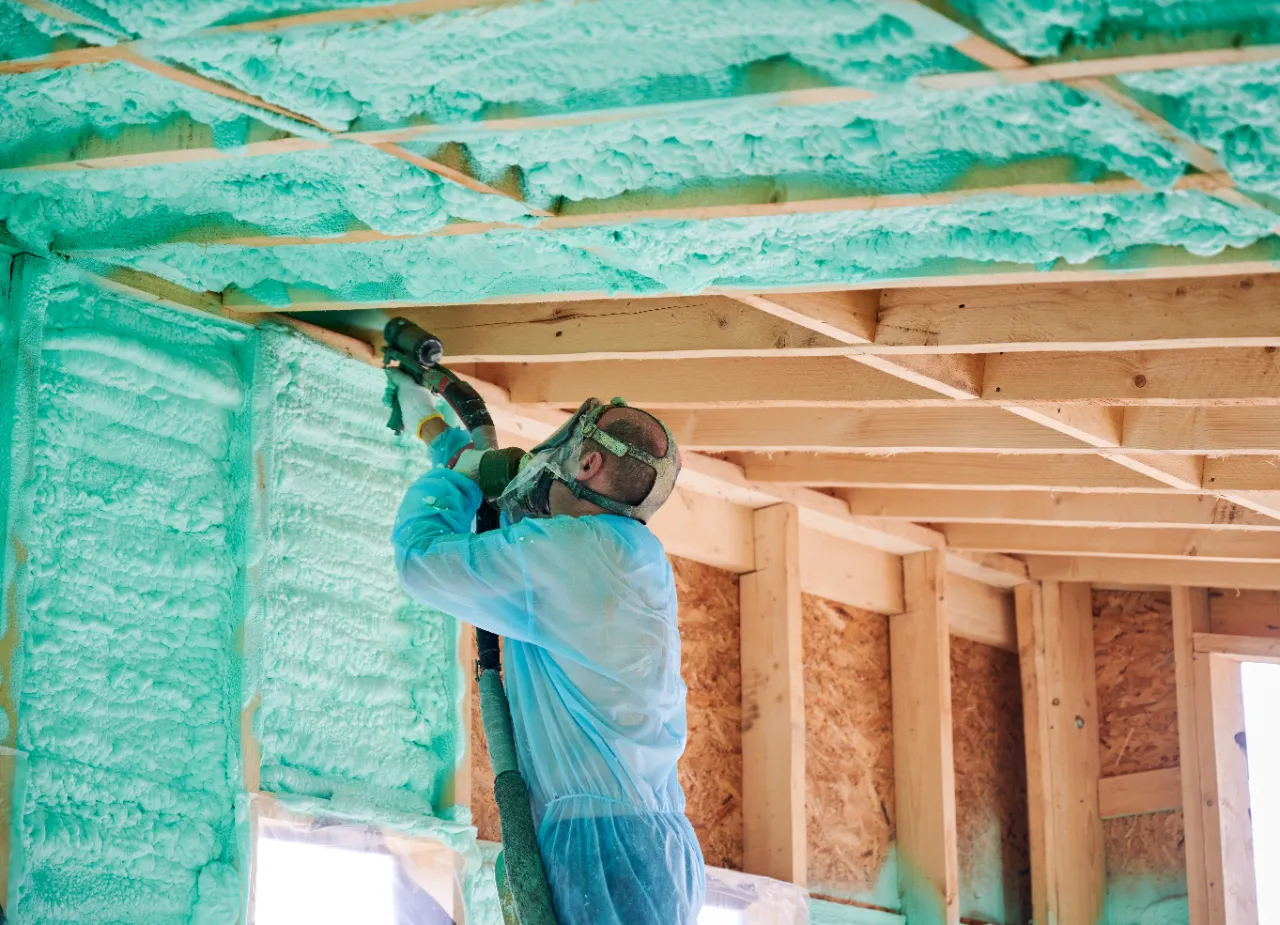
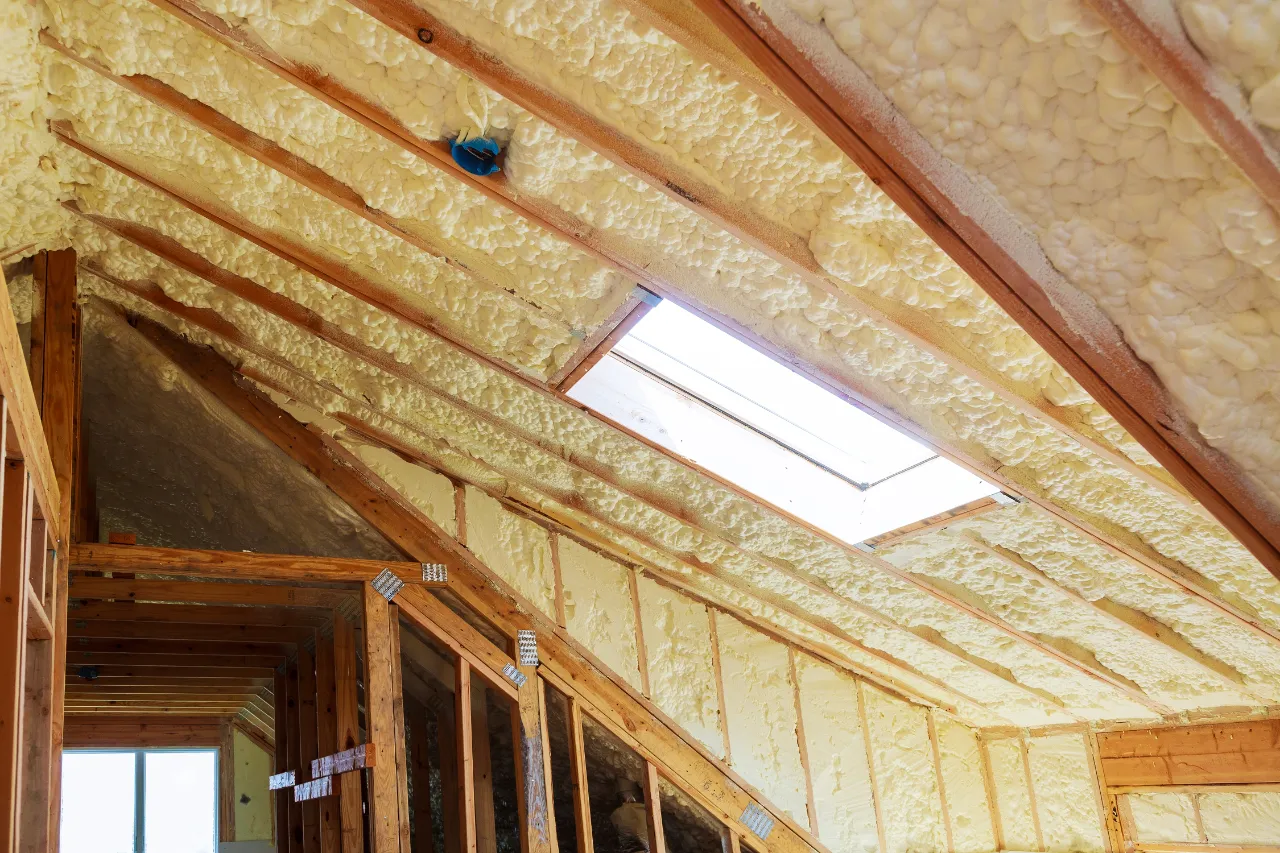
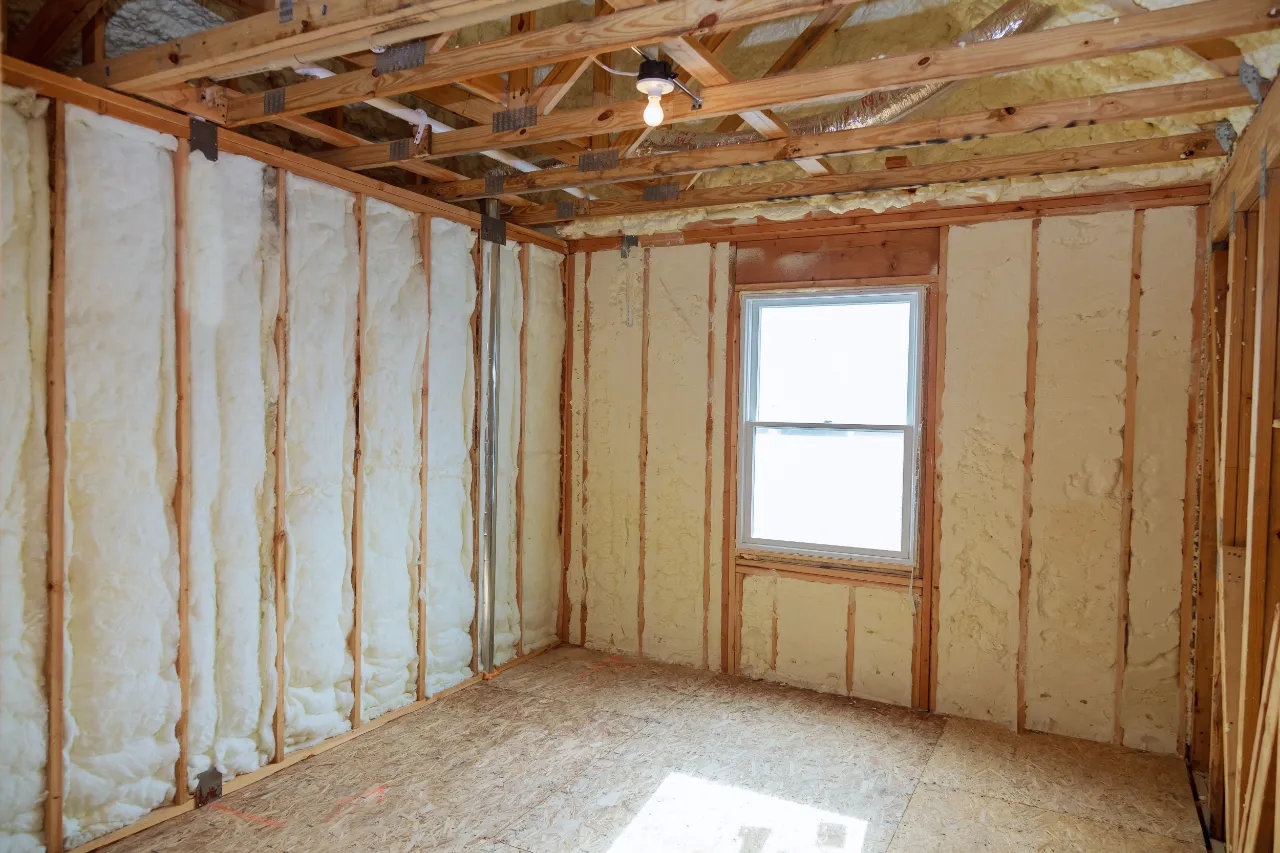
Adding more insulation on top of a leaky ceiling is the most common mistake we see. It helps, but not as much as the homeowner expects, because the air is still moving. Sealing comes first. That means foaming the top plates and sealing penetrations for wiring and plumbing. It also means weatherstripping the attic hatch and covering recessed cans rated for contact. Once the leaks are closed, the insulation can finally do its job. This is also where spray foam earns its cost. It seals and insulates in one step. That is why it works so well on attic decks, knee walls, and sloped ceilings. Loose fill cannot stay put on those.
04 What Fixing It Actually Involves
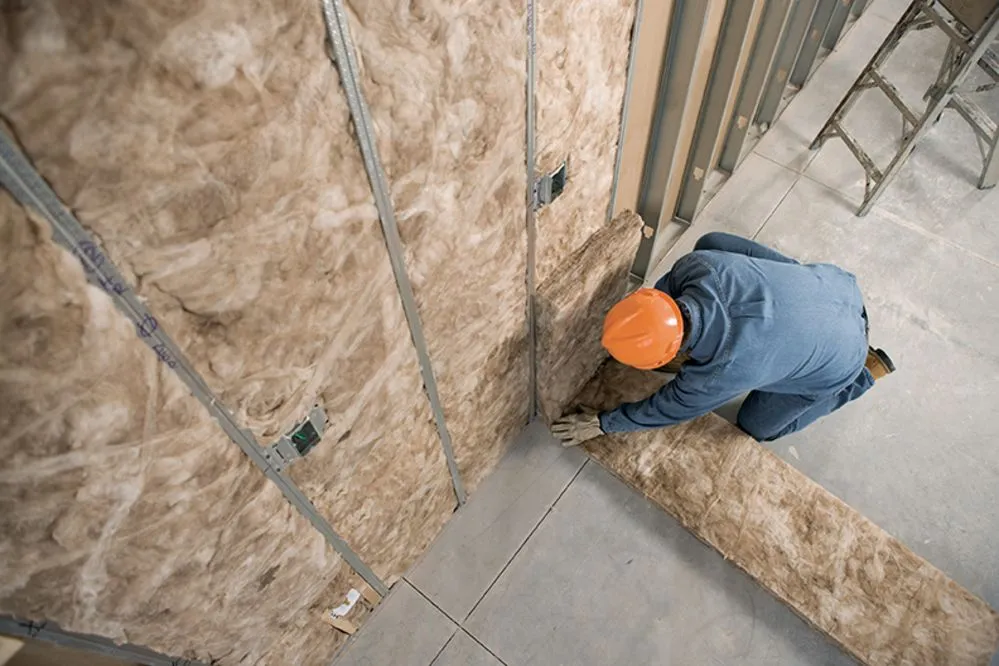
A typical attic job runs in one day. We inspect what is up there, remove anything wet or contaminated, and air seal the ceiling plane. Baffles go in at the eaves so the vents stay clear. Then loose fill is blown to the target depth. Depth markers go in so the coverage can be verified later. If the attic is finished, sloped, or has no floor to build on, foam is the better route. Spray foam goes on the roof deck instead. Either way, the estimate is free and written, so you see the scope and the price before anything starts. Most homeowners notice the difference the first cold night after.
Frequently Asked Questions
If the furnace runs constantly and the downstairs is comfortable while the upstairs isn't, the heat is being made and then lost. A heating tech can confirm the unit is fine. After that, the attic is the first place to look.
Current code calls for a much deeper layer than what most older homes have. Rather than guess from a number, we measure the existing depth and calculate what's missing for the material being used.
Usually yes, though how much depends on how bad the starting point is. The bigger win for most homeowners is comfort. Rooms stop swinging between too cold and too warm.
Often yes, if what's up there is dry and free of pests or mold. If it's wet or contaminated, it has to come out first. Covering a problem just traps it.
Most attics are a one day job. Bigger houses or attics that need old material removed first can run longer. We give you a real time frame with the written estimate.